Phytophthora Brown Rot in Citrus: Causes, Symptoms, and Effective Control Strategies
Introduction
Phytophthora Brown Rot is a serious fungal disease that affects citrus orchards, causing fruit rot, reduced yield, and post-harvest losses. The disease, caused by Phytophthora citrophthora and Phytophthora parasitica, spreads rapidly in humid and wet conditions, particularly when soil splashes onto low-hanging frui
t during rain or irrigation.
To effectively manage this disease, an integrated approach combining cultural, chemical, and biological strategies is essential.
Symptoms of Phytophthora Brown Rot
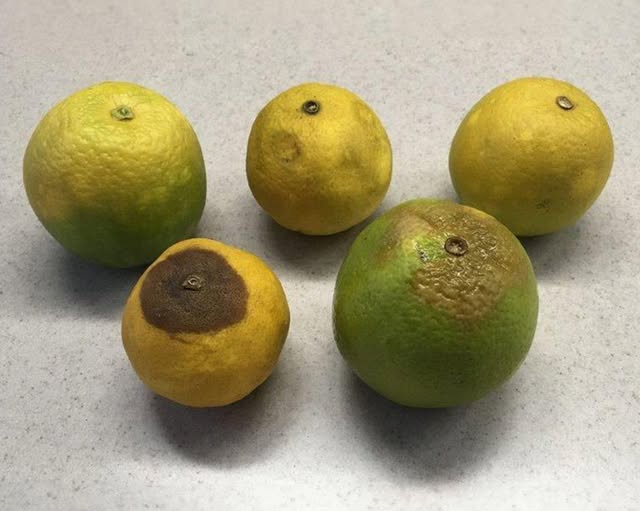
• Early symptoms include light to dark brown, water-soaked lesions that appear on the fruit surface.
• Lesions gradually become firm, leathery, and sunken as the disease progresses.
• Affected fruit often develops a foul, rancid odor, which helps distinguish brown rot from other citrus diseases.
• The disease primarily affects low-hanging fruit, as spores are spread through rain splash and irrigation water.
• Infected fruit decays quickly after harvest, leading to significant post-harvest losses.
Causes and Favourable Conditions
• High humidity, excessive rainfall, and prolonged leaf wetness create ideal conditions for Phytophthora infection.
• The fungus thrives in poorly drained orchards, where standing water allows spores to multiply.
• Frequent overhead irrigation can accelerate disease spread through water splash.
• The pathogen overwinters in the soil and reinfects trees during the next growing season.
Integrated Disease Management
A comprehensive control program should include orchard sanitation, proper irrigation, and effective fungicide treatments.
1. Cultu
ral Control Strategies
✅ Improve Orchard Drainage: Reduce standing water to minimize fungal spread.
✅ Canopy Management: Prune low-hanging branches to limit fruit exposure to rain splash.
✅ Mulching & Weed Control: Use mulch to reduce soil splash onto fruit.
✅ Sanitation: Remove and destroy infected fruit to prevent pathogen persistence.
2. Chemical Control with Manjifiek SL Fungicide
Manjifiek SL (Reg. No. L 9474) – A Systemic Fungicide for Brown Rot
Manjifiek SL is a water-soluble systemic fungicide containing ammonium phosphite (386 g/L),
which provides preventative and curative control of Phytophthora Brown Rot.
Recommended Application for Citrus
✔ Dosage: 666 mL Manjifiek SL per 100 liters of water
✔ Application Rate: 2500 liters of spray mixture per hectare (for 4m tall trees)
✔ Spray Timing: Apply a light cover spray to the lower 1.5 meters of the tree canopy
✔ Frequency: Every 7 to 14 days before harvest for continuous protection
✔ Precaution: Avoid application within 21 days of any copper fungicide
✔ Tank Mix Options: For enhanced protection, Manjifiek SL can be combined with a contact
fungicide such as Chlorthalonil 720 SC.
� Mode of Action: Manjifiek SL works systemically, moving both upwards (acropetal) and downwards (basipetal) in plant tissues. This allows it to protect both fruit and st
ems, reducing reinfection risks.
3. Biological and Alternative Control Measures
• Trichoderma-based biological agents can help suppress Phytophthora spp. populations in the soil.
• Disease-resistant citrus rootstocks can reduce susceptibility to brown rot.
Conclusion
Phytophthora Brown Rot is a major threat to citrus production, leading to economic losses and fruit rejection in the market. However, by implementing integrated control strategies, including proper orchard management and fungicide applications like Manjifiek SL, growers can effectively prevent and manage the disease.
� Early detection and preventative fungicide applications are essential for successful disease control. Manjifiek SL, when applied as directed, provides systemic protection and lo
ng-lasting disease suppression, ensuring high-quality citrus production.